
In contested logistics, endurance is a warfighting problem. In contested environments, so is precision.
Every gallon demanded forward has to be hauled, stored and defended. DFGD works the demand side of operational energy: extending how long tactical vehicles, generators and ground systems operate between resupply, and building the demonstration and acquisition pathways that move a validated capability into programs. DFGD’s second anchor program carries the same pathway into precision fires.
The themes Defense leaders keep raising.
Symposium after symposium, forum after forum, in direct engagement with Defense and military leaders, the same needs keep emerging:
The pattern holds whether the room is a symposium, a program office or a prime: reduce what the mission demands, and endurance, resilience and resupply all move together.
- Contested logistics
- Operational energy
- Reduced fuel demand
- Increased operating endurance
- Reduced resupply requirements
- Mission resilience
- Precision in denied environments
When the signal is denied, precision is the problem.
Weather, terrain and jamming don’t stop the fight. They degrade the positioning, navigation and timing that guided effects depend on. DFGD’s second anchor program keeps fires on target through those conditions, and runs on the same pathway as endurance: identify the need, assess the platform, demonstrate where the work happens, measure, validate, then capture and deploy.
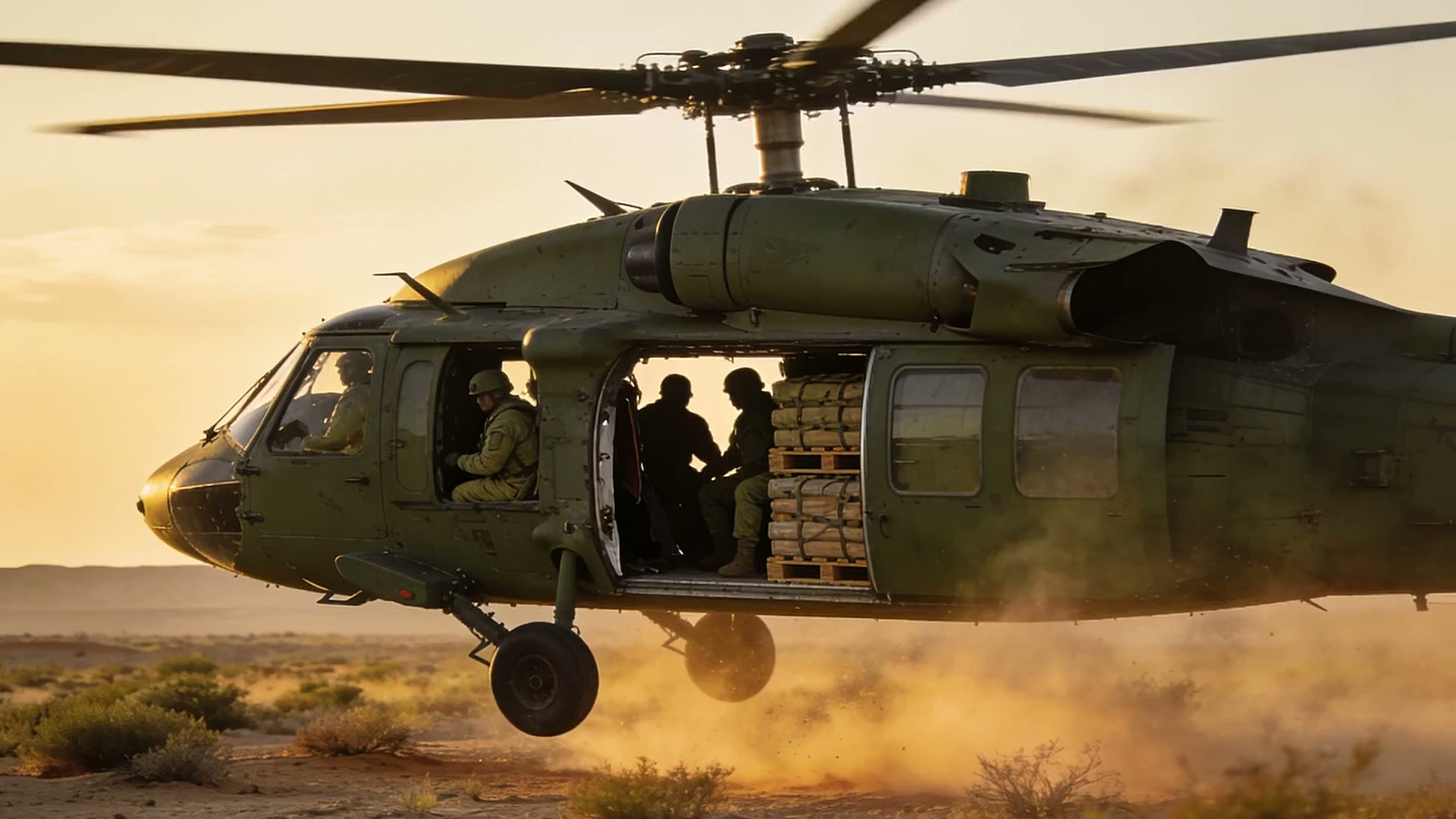
Where the endurance mission applies.
Tactical & support vehicles
The wheeled fleet a formation moves and fights from, where fuel demand sets the tempo of everything behind it.
Generators & power generation
The generators that power command posts, radars and life support, running for days on fuel that arrives by convoy.
Sustainment & contested logistics
The resupply chain itself: fewer gallons demanded forward means fewer convoys exposed to reach it.
Ground systems
Ground platforms and support equipment assessed for endurance gains on their own mission profiles.
Uncrewed systems
Uncrewed and autonomous platforms, where endurance is often the capability itself.
Future applicable platforms
Assessed case by case. The pathway model fits wherever fuel demand limits the mission.
Demonstration pathways, not product pitches.
Military buyers want a problem solved and evidence they can act on. DFGD builds the pathway in their language: requirement fit, demonstration protocol, measured outcomes, then capture and acquisition.
Engagement, on the record
FIRES / Field Artillery & Air Defense Symposium engagement and a segmented follow-up campaign, the CUAS Forum at FISTA, a state National Guard innovation pathway, and discussions with Defense primes and integrators. Each has been engaged, presented to or pursued.
Demonstration pathways
Demonstration concepts framed for the programs that own the problem, from static displays to structured pilots with measurement protocols, including modeling work and a special-operations demonstration pathway under discussion.
Innovation & funding lanes
SBIR, Army xTech, AFWERX, DARPAConnect, SOFWERX, GVSC and NAMC: transition pathways explored around the anchor capability so evidence, sponsors and funding line up.
Request a defense demonstration.
Bring the operational need, whether it sits on vehicles, generators, ground or uncrewed systems, and we’ll frame the demonstration, the measurement protocol and the pathway that follows it.